Closing Meeting of Our TAGEM R&D Support Program Project Held Successfully
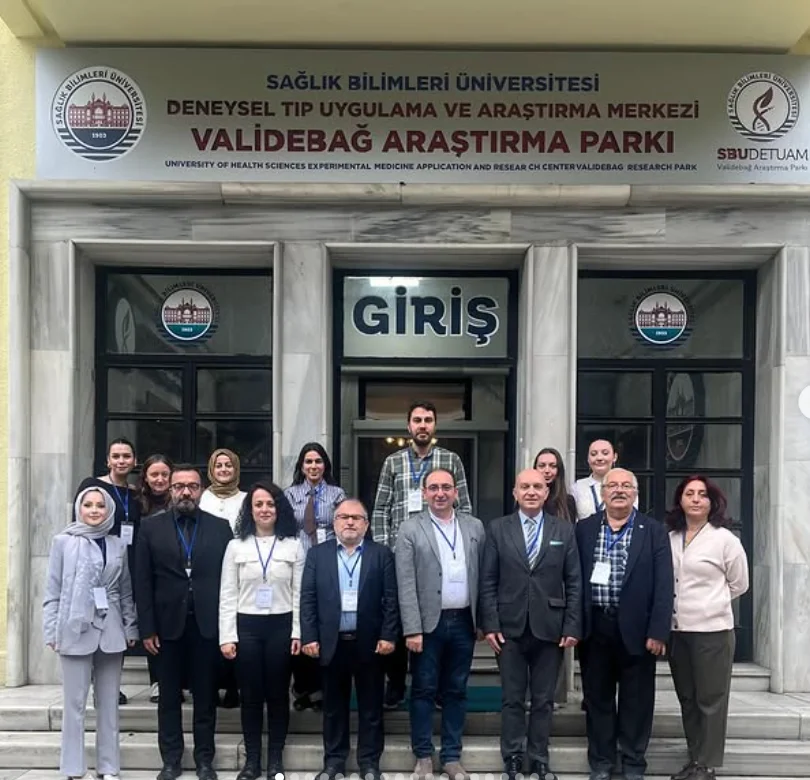
We held the closing meeting of our TAGEM R&D Support Program project titled “Investigation of the Effectiveness of Hypochlorous Acid in Reducing Losses of Fresh Fruits and Vegetables from Harvest to Consumer,” coordinated by Assoc. Prof. Dr. Ahmet Katı, with project stakeholders including the University of Health Sciences Experimental Medicine Research and Application Center, the General Directorate of Agricultural Research and Policies, Maltepe University, Istanbul Food Control Laboratory Directorate, Adana Biological Control Research Institute Directorate, Alata Horticultural Research Institute Directorate, CarrefourSA, DİMES, Migros, MRT Consultancy, and the Food Safety Association.
Our meeting began with the opening speech of our DETUAM Director, Prof. Dr. Şaban Tekin, and continued with presentations by Dr. Nihal Ertürk from the Department of Horticultural Research at TAGEM, Orhan Karaman, Deputy Director of the Istanbul Provincial Food Control Laboratory Directorate, Prof. Dr. Mehmet Tanyaş, faculty member at Maltepe University and Chairman of the Board of the Logistics Association, Dr. Atiye Tümenbatur, Dr. Samim Saner, President of the Food Safety Association, and our project researchers.
During the meeting, the findings obtained from more than two years of field and laboratory studies were comprehensively evaluated. The application methods of hypochlorous acid at different stages of the supply chain, its effects on product quality, and its contributions to shelf life were shared with the participants in detail.
It was emphasized that the data obtained during the R&D process provided concrete outputs, particularly for reducing post-harvest losses and improving food safety. The project stakeholders stated that this study, which represents a successful example of public-private sector cooperation, will make significant contributions to the sustainability of the fresh fruit and vegetable supply chain in our country.
We would like to thank all institutions, stakeholders, and researchers who contributed to the project, and we hope that this valuable collaboration will continue to strengthen in the future and bring us together again in new projects.

Next post